

This homemade cream of chicken soup is a copycat of the canned condensed version found in so many of the casseroles we grew up on, but tastes a whole lot better. And, it comes together on the stovetop in about 15 minutes.
One batch replaces two cans, so you can stir it right into your favorite recipe and keep on cooking--great for those instances when you find yourself short with a casserole half assembled on the counter. (Ask me how I know.)
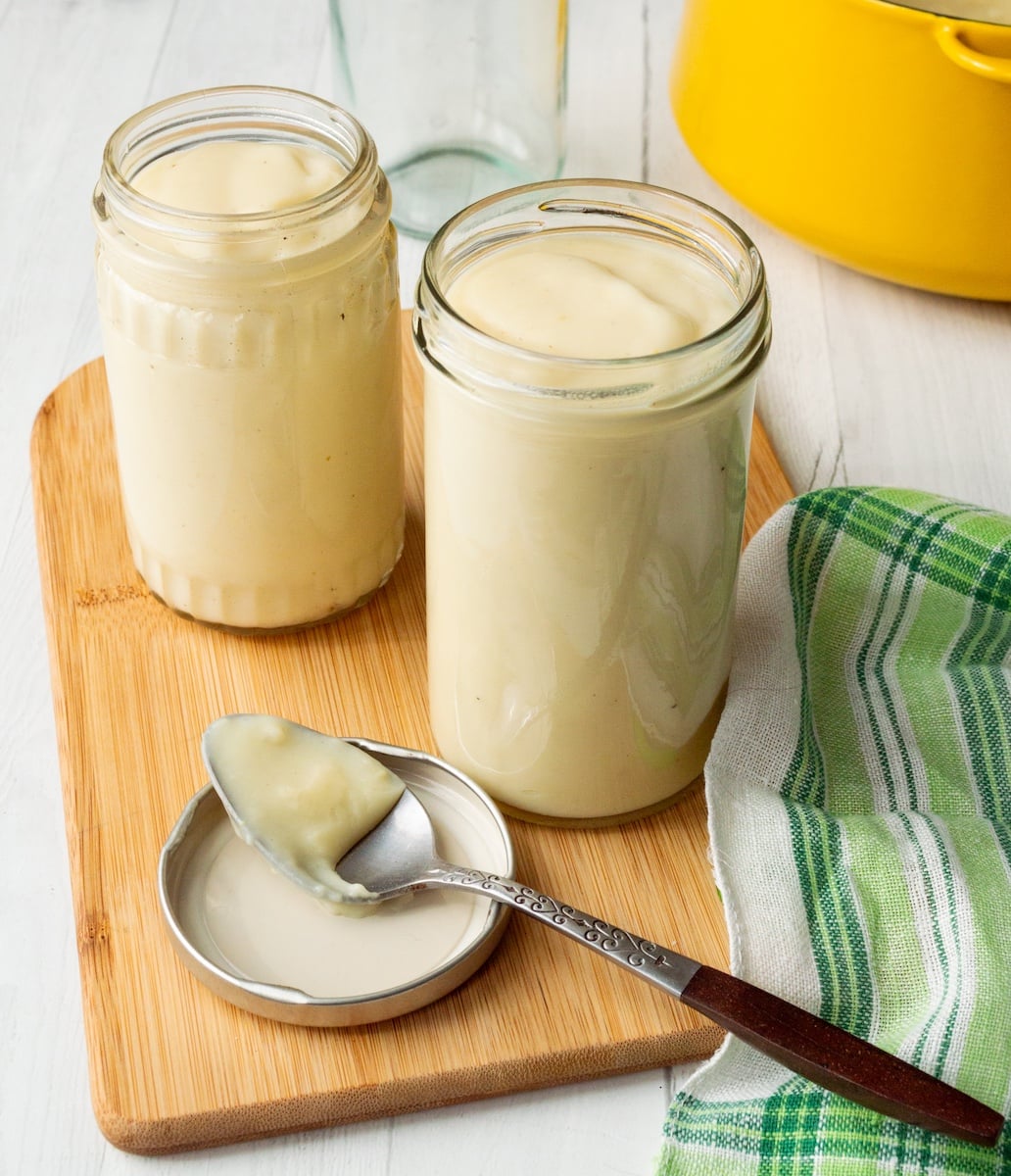
For the record, I'm not knocking the canned version. Canned condensed cream of chicken soup has gotten plenty of Southern families (mine included) through busy weeknights, and a shortcut is never cheating in my kitchen.
But if you've got butter, flour, chicken broth, chicken bouillon paste, and whole milk on hand, the homemade version is surprisingly simple. It tastes richer and bonus: you get to decide how much salt goes in.
Stir it into my poppy seed chicken casserole or funeral potatoes hash browns, two favorite casseroles that are always a hit. I especially like having a batch ready around Thanksgiving and Christmas, when it seems like every other dish going into the oven is a casserole.
Make it a day or two ahead and keep it in the fridge, and that's one less thing to do once the holiday cooking starts. Or, if you're really on top of things, you can make it months in advance and keep it in the freezer.
Does your recipe call for cream of mushroom instead? My homemade cream of mushroom soup is another good one to have on hand, especially during peak casserole season.
Reasons to Love this Recipe
- Deeper chicken flavor. A spoonful of chicken bouillon paste with a little garlic powder and onion powder makes it rich and chicken-forward, so your casserole tastes like more than just "creamy."
- It's not just for casseroles. Thin out the condensed soup with milk or water and spoon it over chicken and rice, use it as the base for chicken pot pie, or smother pork chops or chicken thighs in it for an easy weeknight supper.
- You know exactly what's in it. Everything in the pot comes from your own fridge and pantry, so there's no ingredient list to pore over on the back of a can.
- A great first roux. If you've never made a roux, this is a low-stakes place to learn. It's the same butter-and-flour technique behind my smothered chicken thighs, sausage gravy, and stovetop mac and cheese.
Ready to make that condensed cream of chicken soup? Let's do it!
Jump to:
Ingredients
Before we get started, let's gather the ingredients we need for this recipe:
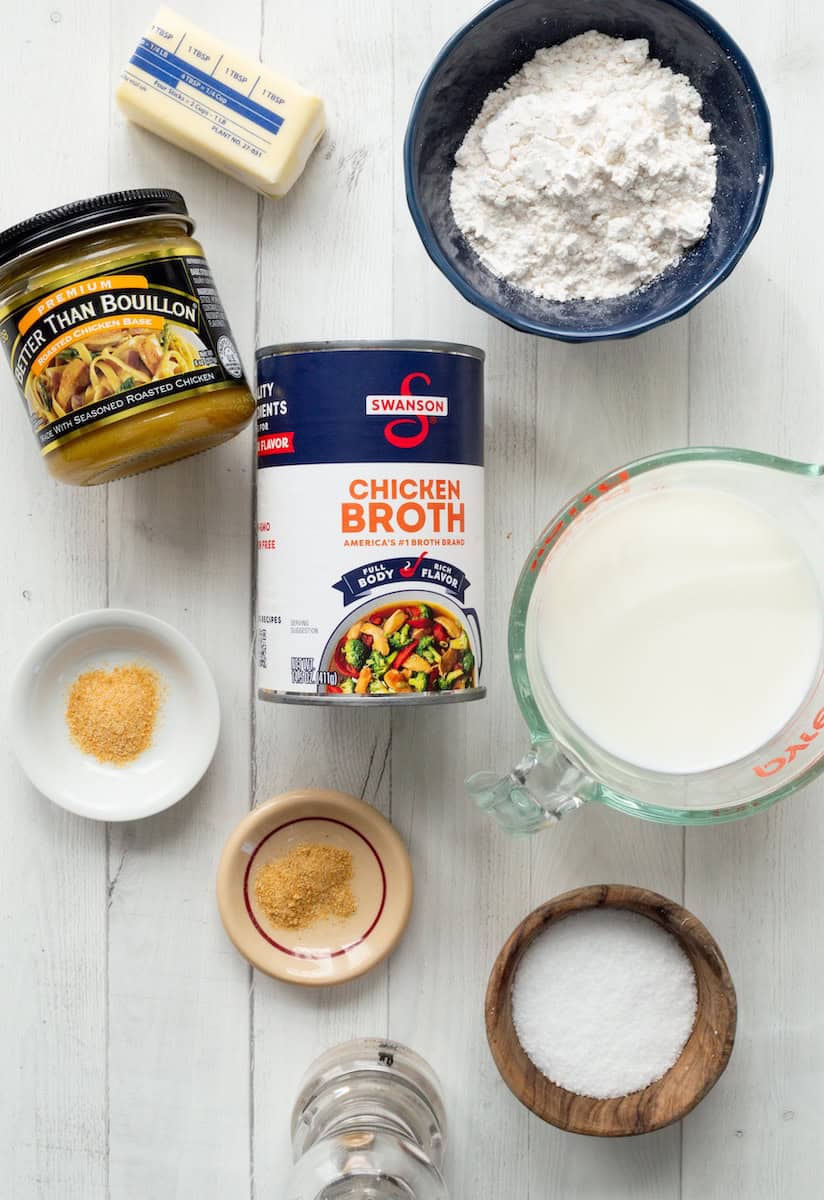
- salted butter
- all-purpose flour
- chicken broth
- whole milk
- chicken bouillon paste
- garlic powder
- onion powder
- kosher salt and freshly ground black pepper
(See recipe card for quantities.)
Instructions
Now that we've got our ingredients, it's time to get cooking!
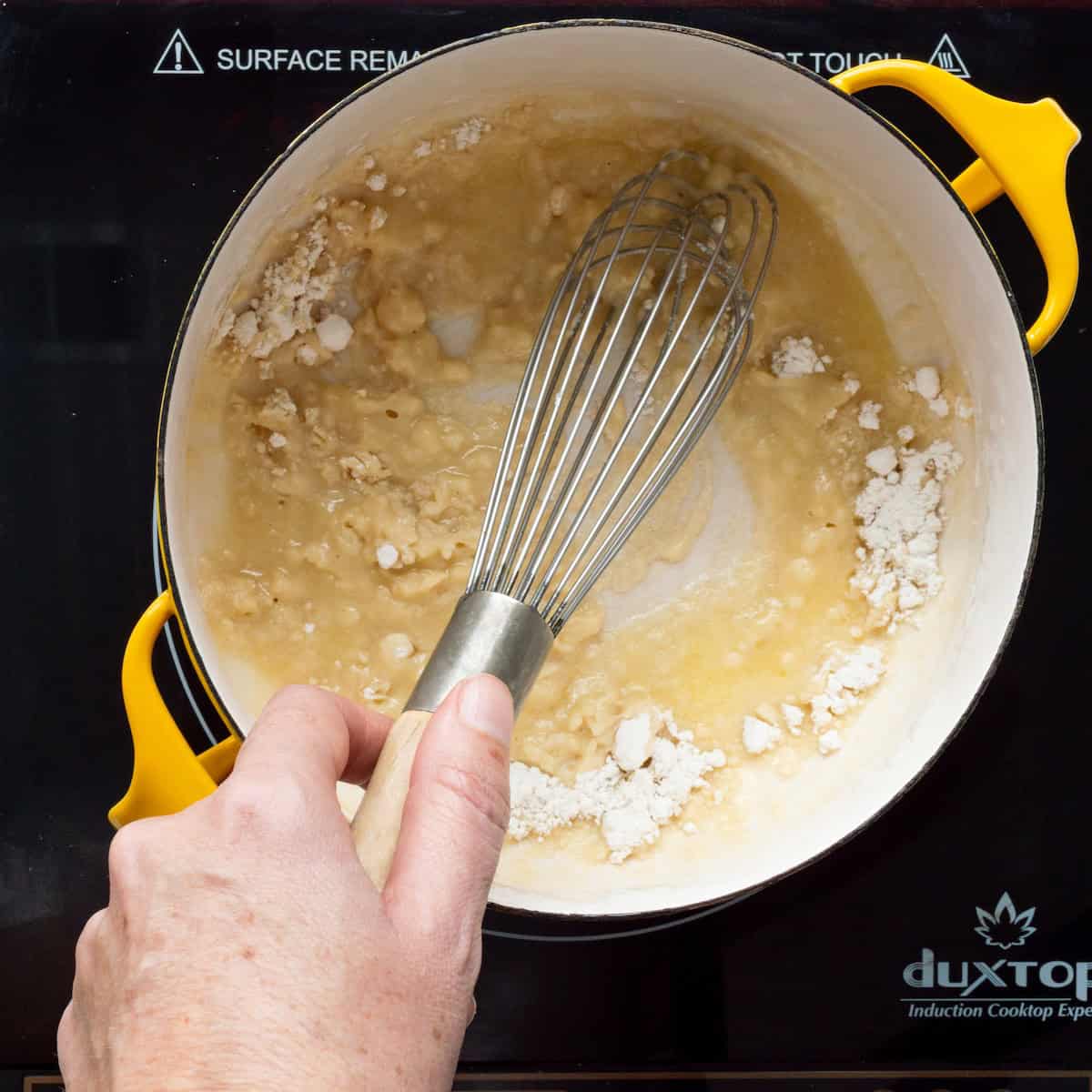
- First, melt butter in a medium saucepan over medium heat. Whisk in the flour and cook for 2 minutes or until bubbly and beginning to smell nutty.
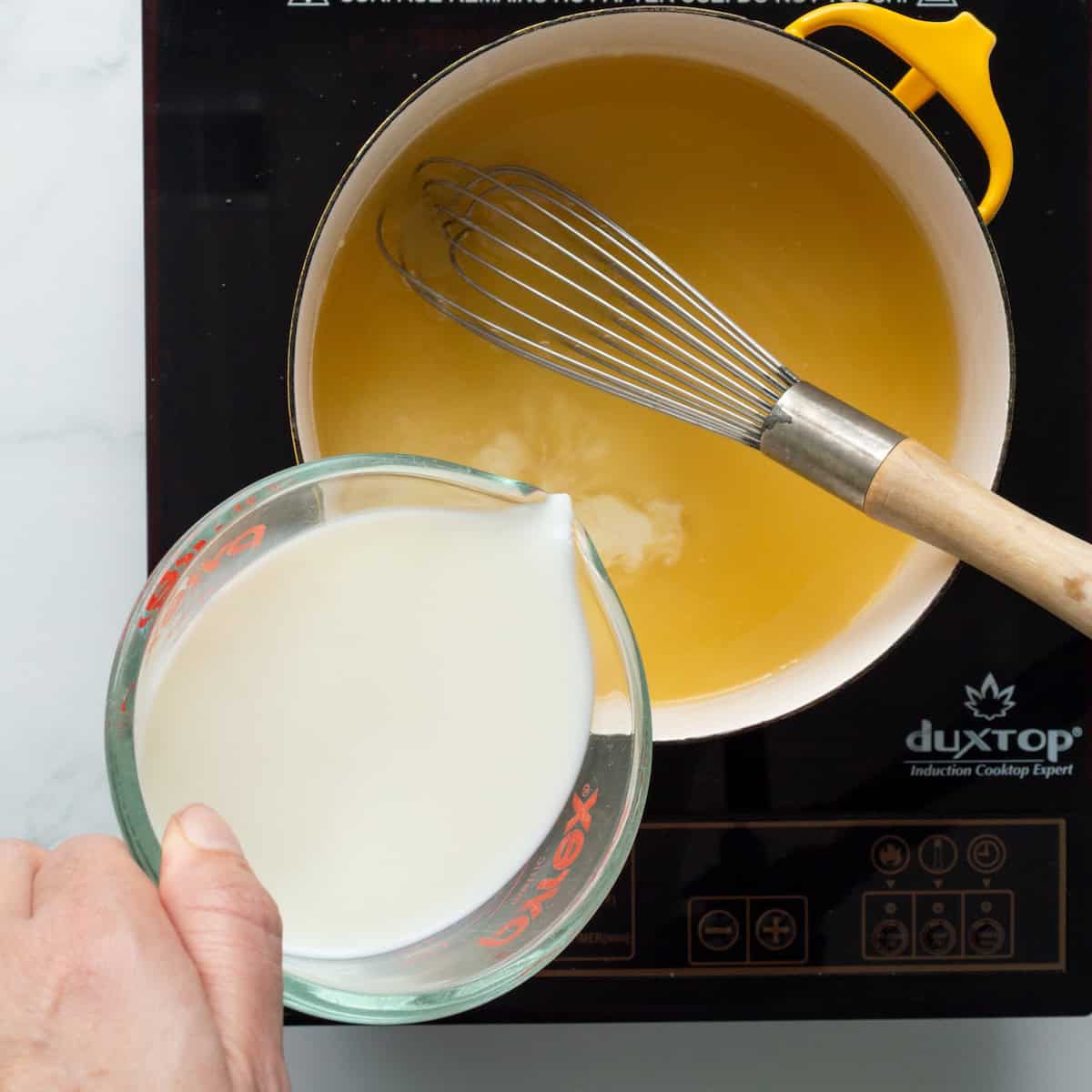
- Then, whisk in the chicken broth, milk, bouillon paste, garlic powder, and onion powder. Bring to a boil over medium-high heat. Reduce the heat and simmer until the mixture is very thick, about 5 minutes. Season with salt and pepper to taste.
Hint: The condensed soup will continue to thicken as it cools, so don't worry if it seems a little thinner while it's still hot.
Hint #2: If you want to use this for cream of chicken soup (instead of as a casserole ingredient), you can thin it out using equal parts water or milk. So for 1 cup of condensed soup, you would add 1 cup of liquid. Adjust the amount of added liquid based on how thick or thin you'd like the soup.
Substitutions
Check out these substitution ideas in case you need to make some adjustments:
- Unsalted butter: No salted butter? Unsalted works too. Just taste the finished soup and add more kosher salt as needed.
- Chicken broth: If you've got store-bought or homemade chicken stock, go ahead and use that! Or, if you prefer less sodium, low-sodium chicken broth works just as well. Just adjust the salt to taste.
- Chicken bouillon paste: If you don't have bouillon paste in the pantry or fridge, you can use a chicken bouillon cube instead. As a rule of thumb, 1 bouillon cube will replace 1 teaspoon of bouillon paste.
Variations
This recipe is so versatile. Here are some variations:
- Add fresh herbs. A little thyme or parsley would be nice if you're using this as a base for chicken pot pie.
- Give it a peppery kick. Add a little extra freshly ground black pepper or a pinch of cayenne pepper if you like a bit more heat in your creamy sauces.
Note: If you're using this to replace a can of condensed cream of chicken soup in a favorite family recipe, I'd stick with the original seasonings so the flavor stays familiar.
Equipment
Here's the equipment you'll need to make this recipe:
- medium saucepan
- whisk
- dry measuring cups
- liquid measuring cup
- measuring spoons
Storage
To refrigerate: Let the condensed soup cool slightly, then transfer it to a mason jar or airtight container and refrigerate for up to 3 days. It'll thicken as it chills, so just give it a good stir before using.
To freeze: For the best texture, I recommend refrigerating this soup if you want to make it ahead. That said, you can freeze it too (for up to 3 months). It may separate slightly upon thawing, so just give it a good stir before using.
Tasty Tip
This recipe makes enough to replace 2 (10.5-ounce) cans of condensed cream of chicken soup.
If you're making a casserole that calls for just one can, use about 1¼ cups of this homemade version. You don't need to add water or extra milk when you're using this in place of canned condensed soup. Just follow your casserole recipe as written, adding any other liquids it calls for separately.
Frequently asked questions
Not exactly. Regular cream of chicken soup is thinner and meant to be eaten by the spoonful. This homemade condensed cream of chicken soup is much thicker, just like the canned stuff you find at the grocery store. It's made for stirring into casseroles, pot pies, and other recipes that need a creamy base.
One batch replaces two 10.5-ounce cans of condensed cream of chicken soup, so if your recipe calls for one can, just use about 1¼ cups. You can stir it right into your favorite recipes without thinning it first.
That usually happens when the liquid gets added too quickly to the butter and flour mixture. The best way to avoid lumps is to whisk in the broth and milk gradually, keeping everything moving so the flour blends in smoothly.
Yes! Instead of flour, using another thickening agent like gluten-free flour or cornstarch. If you use cornstarch, whisk it into the milk or broth before adding it to the pot to avoid lumps. You also won't need as much cornstarch as you would flour. Start with 2 tablespoons. If you want it thicker, mix another 1 tablespoon cornstarch and 1 tablespoon cold water until smooth (called a slurry) then add it to the mixture.
Give it another minute or two at a gentle simmer, whisking frequently. The flour needs a little time to thicken the liquid, and the soup will get even thicker as it cools.
If you only have garlic salt, I would opt to just leave it out. Or, use that and go with low-sodium chicken broth. You want to avoid the mixture being too salty.
Related
Looking for other recipes like this? Try these:



Pairing
Use this homemade cream of chicken soup in recipes like:




🍽Get the recipe

How to Make Homemade Condensed Cream of Chicken Soup
Equipment
- whisk
- medium saucepan
- dry measuring cup
- liquid measuring cup
- measuring spoons
Ingredients
- ¼ cup salted butter
- ½ cup all-purpose flour
- 1 (14.5-ounce) can chicken broth
- 1 cup whole milk
- 1 teaspoon chicken bouillon paste (such as Better Than Bouillon)
- ¼ teaspoon garlic powder
- ¼ teaspoon onion powder
- Kosher salt and and freshly ground black pepper to taste
Instructions
- Melt the butter in a medium saucepan over medium heat. Whisk in the flour and cook for 2 minutes or until the mixture is bubbly and begins to smell nutty.
- Whisk in the chicken broth, milk, bouillon, garlic powder, and onion powder. Bring to a boil, reduce the heat, and simmer for 5 minutes or until very thick. Season with salt and pepper to taste.
- Let cool and store in jars or airtight containers in the refrigerator for up to 3 days or in the freezer for up to 3 months.
Would you like to save this?
Notes
Nutrition
RECIPE GUIDELINES AND TEST KITCHEN TIPS
When developing and testing recipes, here are some key things that I do for more success in the kitchen:
- Be sure to use dry measuring cups for things like flour, sugar, and mayonnaise and a liquid measuring cup for things like water, milk, and broth.
- When measuring dry ingredients like flour and powdered sugar that can pack down, spoon the ingredient into a dry measuring cup and level with a knife as opposed to scooping the measuring cup into the ingredient.
- I test and develop recipes using a standard electric oven and standard gas stovetop. Be aware that if you use an electric stovetop or convection oven, your bake times will be different.
- When recipes call for kosher salt, I use Diamond Crystal kosher salt.
FOOD SAFETY
Don't forget to keep these food safety tips in mind when making this recipe:
- Cover and refrigerate any leftovers--don't let them hang out at room temperature for too long.
- Always have good ventilation when using a gas stove.


Leave a Reply